INNE
Var sitter fjärilen idag?Where does the butterfly sit today?
Nadeschda Barenje (SE) + Irini Kyrifidis Johnsen (NO)
Specifika känslor aktiverar specifika kroppsregioner oavsett kultur (Nummenmaa 2014). Barn utvecklar tydliga kroppskartläggningar redan i tidig ålder (Hietanen 2016). Ändå är alla befintliga interoceptionsverktyg för barn platta kort och affischer. Inget tredimensionellt fysiskt verktyg finns.Specific emotions activate specific body regions across cultures (Nummenmaa 2014). Children develop discrete bodily sensation maps from early childhood (Hietanen 2016). Yet all existing interoception tools for children are flat cards and posters. No 3D physical tool exists.
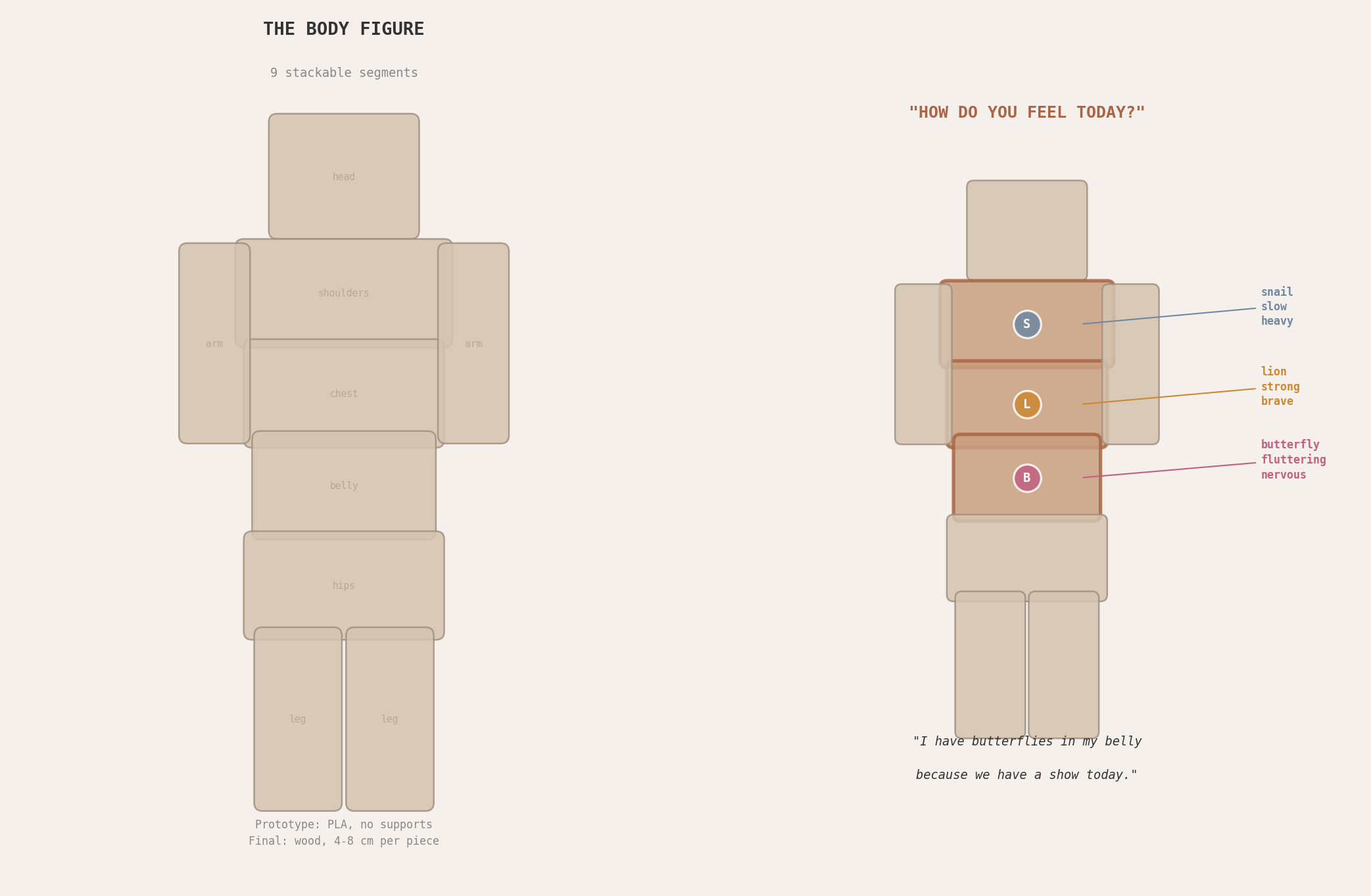
INNE är en taktil kroppsfigur av stapelbara segment: huvud, bröst, mage, armar, ben. Barnen placerar små djurfigurer på den kroppsdel där de känner något. En fjäril i magen. Ett lejon i bröstet. En snigel på axlarna.INNE develops a tactile body figure made of stackable segments: head, chest, belly, arms, legs. Children place small animal figures on the body part where they feel something. A butterfly in the belly. A lion in the chest. A snail on the shoulders.
Djuren gör känslorna konkreta och lätta att ta i. Figuren kan också plockas isär och byggas om till varelser, torn, vad som helst.The animals make emotions concrete and approachable. The figure can also be taken apart and rebuilt into creatures, towers, anything.
KroppskartanThe Body Map
Så fungerar detHow it works
"Hur mår du idag?""How do you feel today?"
Barnet väljer ett djur och placerar det på kroppsfiguren. Barn som inte hittar orden för "jag är orolig" kan lägga en fladdrande fjäril på magen och ändå bli förstådda.The child picks an animal and places it on the body figure. Children who struggle to say "I feel anxious" can place a fluttering butterfly on the belly and be understood.
Pedagogen frågar: "Varför lade du igelkotten där? Hur känns det?" Samtalet uppstår naturligt. Kroppsfiguren och djuren blir ett gemensamt språk mellan barn och vuxen.The pedagogue asks: "Why did you put the hedgehog there? What does it feel like?" Conversation follows naturally. The body figure and the animals become a shared language between child and adult.
Dubbel funktionDual function
1. Interoceptionsverktyg: Peka, namnge, känn. Bygger kroppsmedvetenhet och känslovokabulär. Den tredimensionella figuren gör kroppen konkret på ett sätt som platta kort aldrig kan.1. Interoception tool: Point, name, feel. Build body awareness and emotional vocabulary. The 3D figure makes the body concrete in a way flat cards cannot.
2. Byggklossar: Plocka isär och bygg om till monster, torn, varelser, vad som helst. Nio segment, oändliga kombinationer. När figuren inte används vid incheckning lever den som kreativt byggmaterial.2. Building blocks: Take apart and rebuild into monsters, towers, creatures, anything. Nine segments, limitless configurations. When not used for check-ins, it lives as creative building material.
DjurenThe Animals
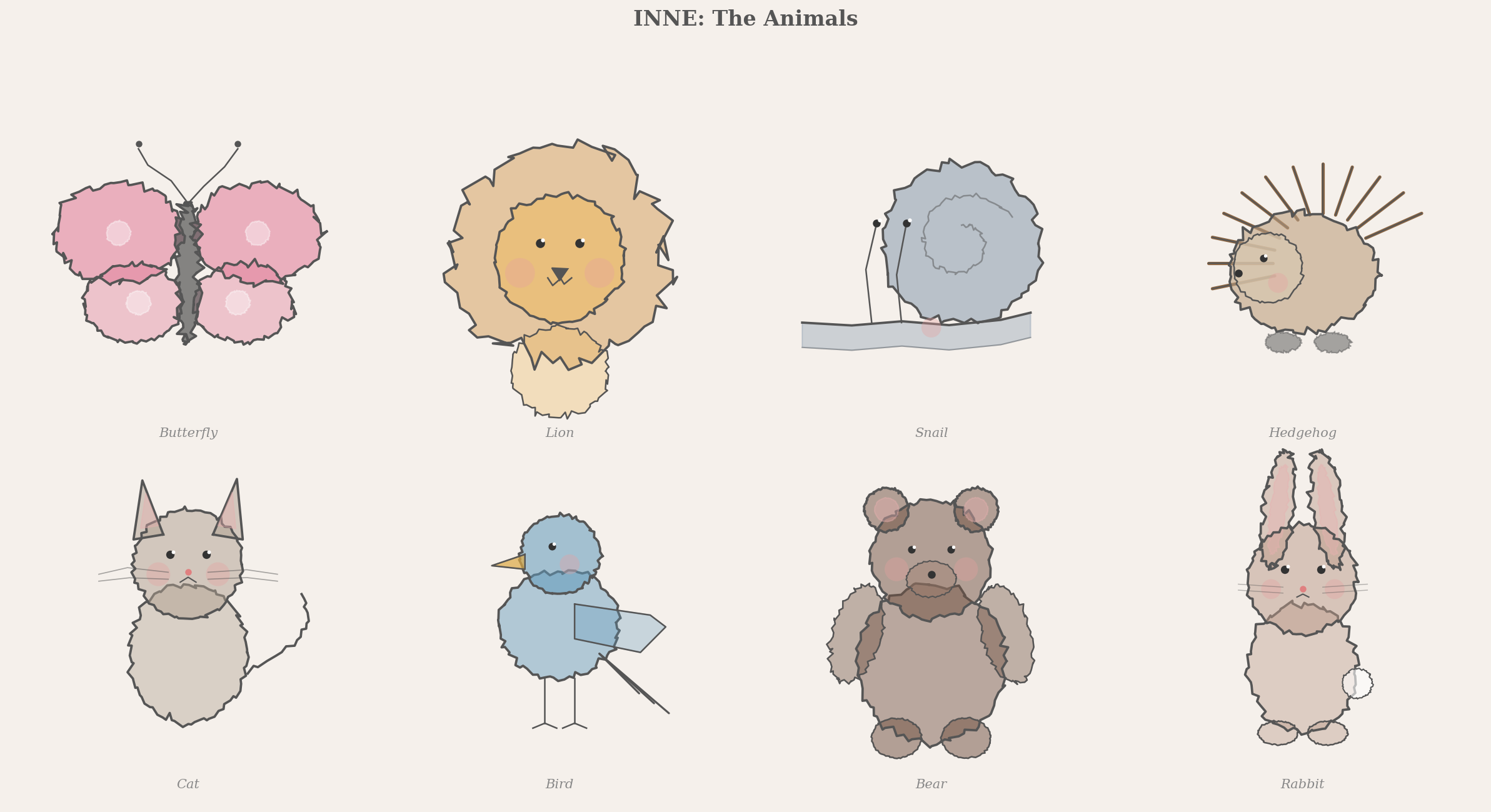
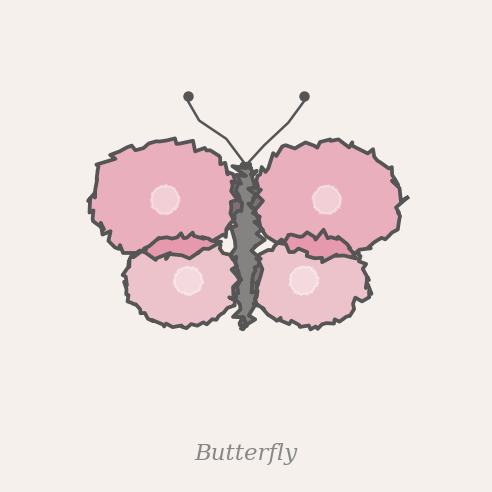
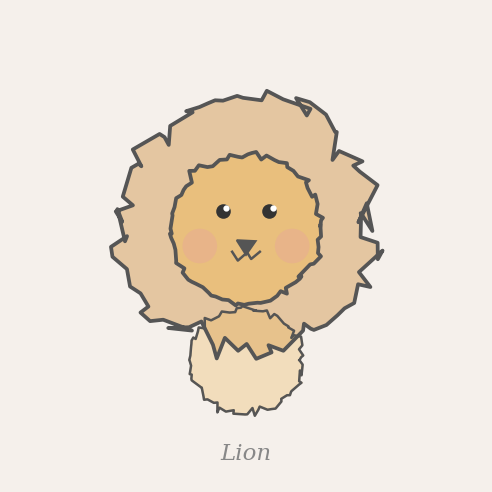
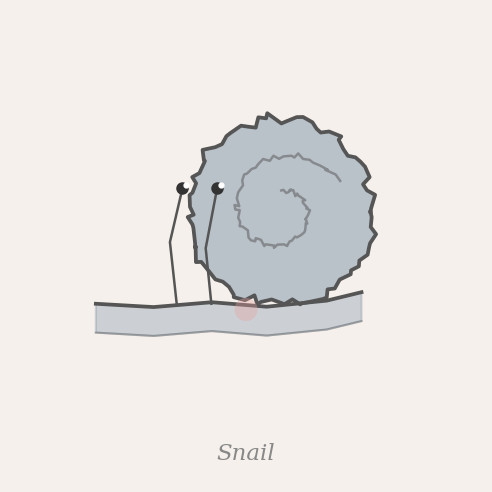
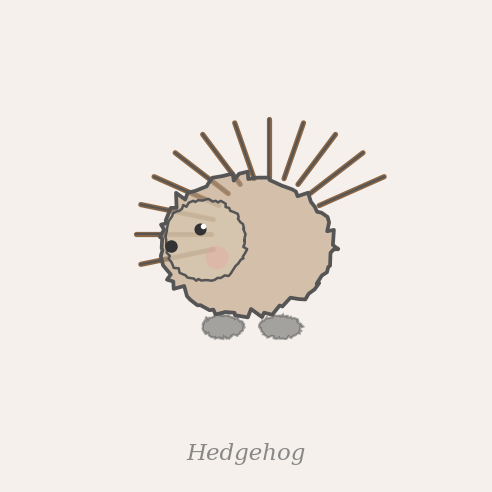
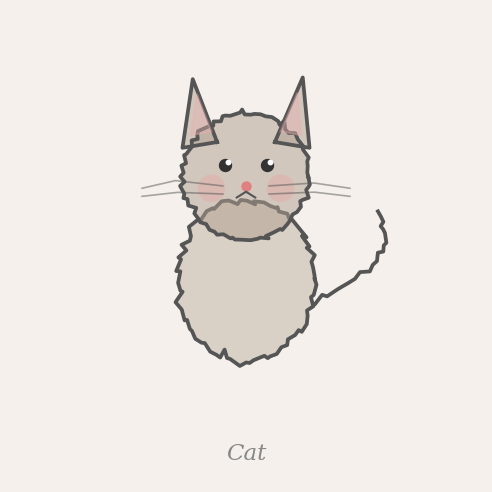
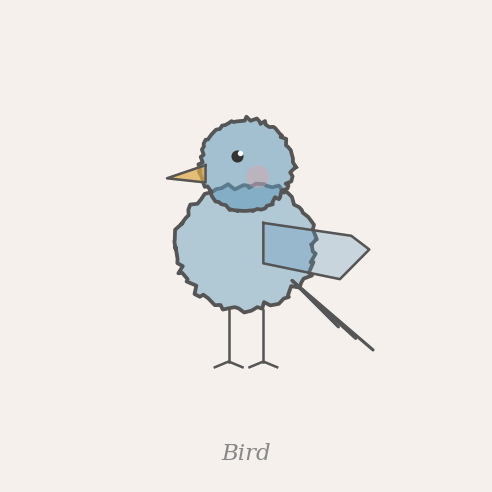
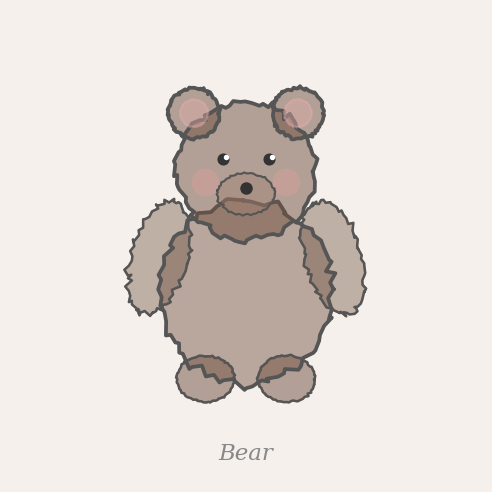
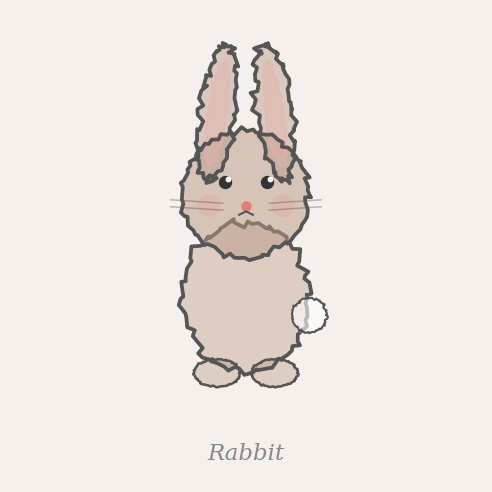
Djuren är inte styrande. Barnen väljer sina egna betydelser. Pedagogen observerar och följer. Med tiden bygger barnet upp ett personligt känslovokabulär förankrat i den egna kroppen.The animals are not prescriptive. Children choose their own meanings. The pedagogue observes and follows. Over time, the child develops a personal emotional vocabulary grounded in their own body.
ForskningResearch
Nummenmaa et al. 2014, PNAS; Hietanen et al. 2016Specific emotions consistently activate specific body regions across cultures. Children as young as six produce discrete bodily sensation maps for happiness, fear, and surprise. Body-emotion linking is developmental and teachable.
Nummenmaa et al. 2014, PNAS; Hietanen et al. 2016
| FyndFinding | ImplikationImplication | KällaSource |
|---|---|---|
| Känslor kopplas till kroppsregionerEmotions map to body regions | En fysisk kroppsfigur gör detta konkretA physical body figure makes this concrete | Nummenmaa 2014 |
| Barn visar kropp–känsla-kartor från 6 årChildren show body-emotion maps from age 6 | Kartläggningen kan stödjas tidigareThe mapping can be supported earlier | Hietanen 2016 |
| Interoceptionsträning förbättrar känslohanteringInteroception training improves emotion regulation | Det fungerar, men alla verktyg är 2DIt works, but all tools are 2D | Mahler 2022 |
| 10–15 % av barn har svårt att namnge känslor10-15% of children struggle to name feelings | Djuren sänker det verbala tröskelvärdetAnimals lower the verbal threshold | Alexitymi-forskningAlexithymia research |
| Barn utvidgar sig till föremål de ägerChildren extend self to objects they own | En personlig kroppsfigur bär identitetA personal body figure becomes identity-bearing | Belk 2014 |
| Öppna föremål = mer kreativ användningOpen-ended objects = more creative use | Kroppsdelar blir byggklossarBody parts become building blocks | Nicholson 1972 |
LuckanThe gap
Kelly Mahlers interoceptionskurrikulum (2019) är det ledande evidensbaserade programmet för kropp–känsla-medvetenhet. Hennes studie 2022 visade tydliga framsteg i känslohantering. Men hela kurrikulumet bygger på platta arbetsblad och 2D-kroppskonturer. Inget tredimensionellt verktyg finns.Kelly Mahler's interoception curriculum (2019) is the leading evidence-based program for body-emotion awareness. Her 2022 study showed significant gains in emotion regulation. But the entire curriculum uses flat worksheets and 2D body silhouettes. No 3D tool exists.
INNE fyller denna lucka: en påtaglig kroppsfigur där barn placerar djurfigurer på den kroppsdel där de känner något.INNE fills this gap: a tangible body figure where children place animal figures on the body part where they feel something.
DesignprinciperDesign principles
- Kropp först, ord sedan. Barn känner innan de talar. Verktyget låter dem visa innan de berättar.Body first, words second. Children feel before they speak. The tool lets them show before they tell.
- Djur som känsloombud. En fjäril är mer lättillgänglig än "ångest". Djuren sänker det verbala tröskelvärdet.Animals as emotional proxies. A butterfly is more approachable than "anxiety". Animals lower the verbal threshold.
- 3D framför 2D. En fysisk kropp man kan hålla, vrida och peka på är mer konkret än en silhuett på papper.3D over 2D. A physical body you can hold, turn, and point at is more concrete than a silhouette on paper.
- Dubbel funktion. När figuren inte används vid incheckning är den byggklossar. Den lever i klassrummet, inte i en låda.Dual function. When not used for check-ins, the body figure is building blocks. It lives in the classroom, not in a drawer.
- Barnet styr betydelsen. Djuren har inga föreskrivna känslor. Barnet bestämmer vad fjärilen betyder.Child-led meaning. The animals have no prescribed emotions. The child decides what the butterfly means.
Nordisk kontextNordic context
Norges kulturbarnehage integrerar konst och kultur som kärna i pedagogiken. Sveriges förskole- och parklekstraditioner betonar emotionell utveckling genom lek. Ändå är verktygen för emotionell kroppsmedvetenhet importerade 2D-material, inte utformade för nordiska sammanhang.Norway's kulturbarnhage integrates art and culture as core pedagogy. Sweden's preschool and parklek traditions emphasise emotional development through play. Yet tools for emotional body awareness are imported 2D materials, not designed for Nordic contexts.
Den vetenskapliga grunden är nordisk: Nummenmaa et al. (Finland, 2014) kartlade känslor i kroppen. Pramling Samuelsson (Sverige) dokumenterar hur lek och lärande är oskiljaktiga. Bjork (Norge, 2020) bekräftar att kroppsmedvetenhet och emotionell utveckling hänger samman. Stortingsmelding 18 (2021) slår fast att kultur för barn ska ske med och av barn.The scientific foundation is Nordic: Nummenmaa et al. (Finland, 2014) mapped emotions to body regions. Pramling Samuelsson (Sweden) documents how play and learning are inseparable. Bjork (Norway, 2020) confirms that body awareness and emotional development are linked. Stortingsmelding 18 (2021) states culture for children shall happen with and by children.
TeametTeam
Nadeschda Barenje (SE)
Design, 3D-modellering, prototypframtagningDesign, 3D modelling, prototyping
BFA Keramik och Glas, Konstfack 2026. Utbildad i glas, keramik och flera hantverksdiscipliner. 3D-modellerar, skriver ut och tillverkar prototyper. Stockholm.BA Ceramics and Glass, Konstfack 2026. Trained in glass, ceramics, and multiple craft disciplines. 3D models, prints, and fabricates prototypes. Stockholm.
Irini Kyrifidis Johnsen (NO)
Kropp–känsla-observation, kulturbarnehageBody-emotion observation, kulturbarnhage
MA Teater och Dans. Arbetar på en kulturbarnehage i Norge. Observerar hur barn uttrycker känslor genom kroppen.MA Theater and Dance. Works at a kulturbarnhage in Norway. Observes how children express emotions through their bodies.
Desirée Lundberg (SE)
Förskollärare, pedagogisk rådgivare, testplatsPreschool teacher, pedagogical advisor, test site
Behörig förskollärare med bakgrund i förskola, arbetar för närvarande på parklek i Stockholm. Prototyperna testas med barn på hennes parklek.Qualified preschool teacher with background in förskola, currently working in parklek in Stockholm. Prototypes are tested with children at her parklek.
TidslinjeTimeline
- Aug 2026: Irini observerar hur barn på hennes kulturbarnehage (NO) uttrycker känslor fysiskt. Video och strukturerad observation.Irini observes how children at her kulturbarnhage (NO) express emotions physically. Video and structured observation.
- Sept 2026: Tre dagars workshop i Stockholm. Nadja, Irini och Desirée går igenom observationer, kartlägger kropp–känsla-mönster, väljer djurpar. Nadja börjar 3D-modellera.Three-day workshop in Stockholm. Nadja, Irini, and Desirée review observations, map emotion-body patterns, select animal pairings. Nadja begins 3D modelling.
- Oct 2026: Nadja 3D-skriver ut PLA-prototyper i Stockholm. Kroppsfigur (9 segment) + 8 djurfigurer.Nadja 3D-prints PLA prototypes in Stockholm. Body figure (9 segments) + 8 animal figures.
- Nov 2026: Test på Desirées parklek i Stockholm. Barn i åldern 3–6 år interagerar med prototyperna. Irini är med och jämför. Dokumentera, iterera, förfina.Testing at Desirée's parklek in Stockholm. Children aged 3-6 interact with prototypes. Irini joins to compare. Document, iterate, refine.
TillverkningFabrication
Kroppsfigur: 9 stapelbara PLA-segment (huvud, axlar, bröst, mage, höfter, 2 armar, 2 ben). Plana bottnar, pinnjustering, 4–8 cm per del. Inga stöd behövs. Slutversion: trä.Body figure: 9 stackable PLA segments (head, shoulders, chest, belly, hips, 2 arms, 2 legs). Flat bottoms, dowel alignment, 4-8 cm per piece. No supports needed. Final: wood.
Djur: 8 små PLA-figurer, 2–4 cm. Enkla former med plana bottnar. Slutversion: handskuret trä.Animals: 8 small PLA figures, 2-4 cm. Simple forms with flat bottoms. Final: carved wood.
Säkerhet: Alla delar större än 3 cm (ingen kvävningsrisk). Rundade kanter. PLA är livsmedelssäkert.Safety: All pieces larger than 3 cm (no choking risk). Rounded edges. PLA is food-safe.
ReferenserReferences
- Nummenmaa, L. et al. (2014). Bodily maps of emotions. PNAS, 111(2).
- Hietanen, J.K. et al. (2016). Bodily maps of emotions across child development. Developmental Science.
- Mahler, K. (2019). Interoception: The Eighth Sensory System. AAPC.
- Mahler, K. et al. (2022). Interoception-Based Program on Emotion Regulation. OT International.
- Bjork, L.I.B. (2020). Emotion socialisation. Scandinavian J. of Psychology.
- Pramling Samuelsson, I. (2008). The Playing Learning Child. Scand. J. of Ed. Research.
- Belk, R. et al. (2014). Toys are me. Cognition.
- Nicholson, S. (1972). The Theory of Loose Parts.
- Stortingsmelding 18 (2021). Oppleve, skape, dele.